
Have you ever packed a lunch only to find it missing or mixed up later? Labeling your lunch bag might seem like a small step, but it can save you a lot of hassle every day.
When you know exactly how to label your lunch bag properly, you protect your food, avoid confusion, and even add a bit of personal style. You’ll discover simple, effective ways to label your lunch bag that anyone can do. Keep reading, and you’ll never lose track of your lunch again.
Choose The Right Label
Labeling your lunch bag helps keep it organized and easy to find. Choosing the right label makes a big difference.
Consider the type, material, and durability of the label before you stick it on your lunch bag.
Types Of Labels
There are many types of labels to choose from. Each type fits different needs and styles.
- Paper labels are easy to write on but not very strong.
- Plastic labels last longer and resist water.
- Iron-on labels are good for fabric lunch bags.
- Sticker labels are simple and quick to use.
Material Considerations
Labels come in different materials. Pick one that suits your lunch bag’s surface and use.
Plastic and vinyl labels work well on smooth surfaces. Fabric labels fit better on cloth bags.
- Paper labels can tear or get wet easily.
- Vinyl labels resist water and stains.
- Fabric labels can be sewn or ironed on.
- Plastic labels are flexible and durable.
Durability Factors
Durability matters if you want your label to last. Think about how the lunch bag will be used.
Water resistance, heat resistance, and strong adhesive are key to a lasting label.
- Water-resistant labels keep names clear after spills.
- Heat-resistant labels stay on after washing or drying.
- Strong adhesive prevents labels from peeling off.
- Writable surfaces help update information easily.

Credit: www.teacherspayteachers.com
Label Placement Tips
Labeling lunch bags helps avoid mix-ups and lost items. Proper label placement keeps names clear and easy to find.
Choosing the right spot for a label also protects it from damage. Below are tips on placing labels well.
Visible Spots
Place labels where they can be seen easily without moving the bag. This helps teachers or friends quickly identify the owner.
- Front center of the lunch bag
- Near the zipper or handle
- On a flat surface with no folds or seams
- Avoid placing under straps or pockets
Avoiding Wear And Tear
Labels can get scratched or peeled if placed in wrong spots. Pick areas with less rubbing or bending.
| Common Damage | Best Placement |
| Peeling from edges | Away from bag openings |
| Scratches from rough surfaces | Protected flat areas |
| Fading from sun exposure | Shaded or covered spots |
Waterproofing Labels
Lunch bags often get wet. Use waterproof labels or cover paper labels with clear tape.
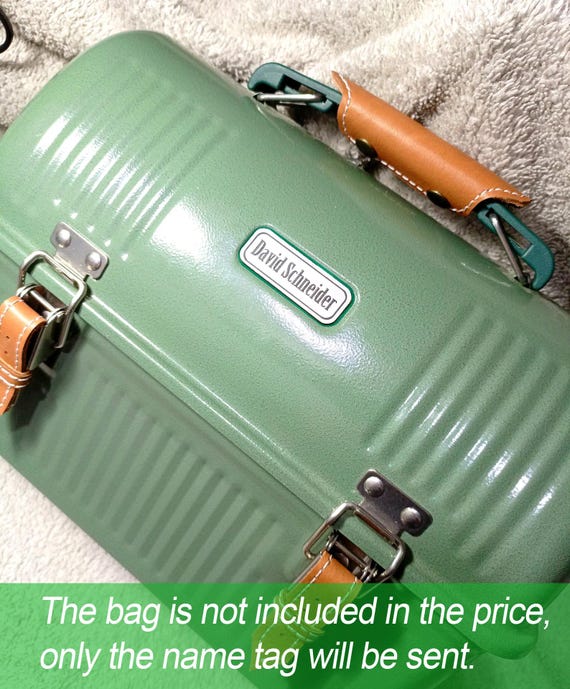
- Choose vinyl or laminated labels
- Seal edges with clear packing tape
- Use permanent markers on label surface
- Test labels by exposing them to water before use
Personalization Ideas
Labeling a lunch bag makes it unique and easy to identify. Personalizing it adds a special touch.
Explore creative ways to personalize your lunch bag with names, contact info, and designs.
Using Names And Initials
Adding names or initials is a classic way to personalize a lunch bag.
- Use fabric markers for a permanent label.
- Choose iron-on patches with initials.
- Stitch names with colorful thread.
Adding Contact Info
Including contact information ensures lost bags find their way back home.
| Information Type | Example |
| Phone Number | (123) 456-7890 |
| name@example.com | |
| Address | 123 Main St. |
Creative Designs
Unleash your creativity with unique designs on your lunch bag.
- Draw fun patterns with fabric paint.
- Use stencils for neat shapes and symbols.
- Attach fabric stickers for a playful look.
Safety Precautions
Labeling lunch bags helps keep food safe for children and adults. Clear labels reduce confusion and prevent health risks.
Using proper labels shows care and helps avoid problems like allergies or spoiled food.
Allergy Alerts
Allergy labels warn about foods that may cause reactions. These alerts protect people with food allergies from harm.
Include clear and simple allergy information on the lunch bag label. Use words like “Contains nuts” or “Gluten-free”.
- List common allergens such as peanuts, dairy, or eggs
- Use bold text or bright colors to highlight warnings
- Keep labels easy to read for quick checks
Food Temperature Labels
Labeling food temperature helps keep meals safe to eat. It reminds people to eat food at the right temperature.
Use labels like “Keep refrigerated” or “Eat within 2 hours” to prevent food poisoning.
- Mark cold foods with “Keep chilled” or “Use ice pack”
- Label hot foods with “Eat warm” or “Reheat before eating”
- Add date and time to track food freshness
Hygiene Reminders
Hygiene labels remind users to keep lunch bags and food clean. This helps stop germs from spreading.
Include simple notes like “Wash hands before eating” or “Use clean utensils” on the label.
- Remind to clean reusable lunch bags regularly
- Encourage wiping spills to avoid bacteria growth
- Note if food should be eaten with clean hands only
Organizing Lunch Bags
Keeping lunch bags neat helps save time and reduces mess. Clear labeling makes it easy to find items quickly.
Organizing lunch bags well also helps keep food fresh and safe to eat during the day.
Categorizing Contents
Group your lunch items by type to keep things tidy. This way, you avoid mixing up snacks with main meals.
- Pack fruits and vegetables separately from sandwiches.
- Keep drinks in a different compartment or bottle holder.
- Use small containers for sauces or dips.
- Store cold items with ice packs to stay fresh.
Using Color Codes
Assign colors to different food groups. This helps identify items without opening the bag.
| Color | Food Group | Example |
| Red | Proteins | Chicken, eggs |
| Green | Vegetables | Carrots, cucumber |
| Blue | Dairy | Cheese, yogurt |
| Yellow | Fruits | Bananas, apples |
Packing Efficiently
Use space wisely by packing items that fit well together. Avoid squishing fragile foods.
- Place heavier items at the bottom of the bag.
- Stack containers to save space.
- Fill gaps with small snacks or napkins.
- Seal drinks tightly to prevent leaks.
- Use reusable bags or containers for easy cleaning.
Credit: www.etsy.com
Label Maintenance
Keeping your lunch bag labels clean and clear helps identify your items easily. Proper care extends the label’s life and keeps it looking good.
This guide covers simple ways to clean, replace, and maintain legible labels on your lunch bag.
Cleaning Labels
Clean your labels regularly to remove dirt and food stains. Use a soft cloth with mild soap and water. Avoid harsh chemicals that can damage the label.
- Use a damp cloth to wipe the label gently.
- Dry the label with a soft towel after cleaning.
- Do not scrub hard to avoid peeling or fading.
- Avoid soaking the label in water.
Replacing Old Labels
Replace labels that are torn, faded, or no longer stick well. Fresh labels keep your lunch bag neat and easy to identify.
- Remove the old label carefully to avoid residue.
- Clean the surface before applying the new label.
- Choose waterproof or laminated labels for durability.
- Press the new label firmly to ensure it sticks well.
Keeping Labels Legible
Clear and readable labels prevent mix-ups and lost items. Use these tips to keep your labels easy to read.
| Tip | Details |
| Use dark ink on light labels | Makes text stand out clearly. |
| Avoid writing on curved or textured surfaces | Prevents smudging and fading. |
| Laminate labels | Protects against water and wear. |
| Check labels weekly | Update or clean as needed. |

Credit: www.amazon.com
Frequently Asked Questions
How Do I Label A Lunch Bag Effectively?
Use waterproof labels or permanent markers to write names clearly. Place labels where they are visible but won’t wear off easily. Ensure the label is durable to withstand daily use and washing.
What Materials Are Best For Lunch Bag Labels?
Waterproof sticker labels, fabric tags, or iron-on labels work best. These materials resist moisture and fading. Choose a labeling method that suits your lunch bag’s fabric and usage frequency.
Can I Personalize Lunch Bag Labels For Kids?
Yes, personalize with names, favorite colors, or fun designs. Personalization helps kids easily identify their bags. It also adds a fun and unique touch to their lunch gear.
How To Prevent Lunch Bag Labels From Peeling Off?
Apply labels on clean, dry surfaces and press firmly. Use clear tape or laminate for extra protection. Avoid placing labels on seams or areas prone to friction.
Conclusion
Labeling lunch bags keeps food safe and easy to find. It helps avoid mix-ups at school or work. Use clear, simple labels with names and dates. Waterproof labels last longer and stay neat. This small step saves time and reduces waste.
Everyone benefits from a well-labeled lunch bag. Try these tips to keep lunches organized every day. Simple, clear labels make life easier.