
Choosing the right sleeping bag can make or break your backpacking trip. You want something light enough to carry without slowing you down, but warm enough to keep you comfortable through the night.
So, what weight sleeping bag should you pick? This guide will help you find the perfect balance between weight and warmth, tailored just for your adventure. Keep reading to discover how to make your nights outdoors restful and your pack lighter than ever.
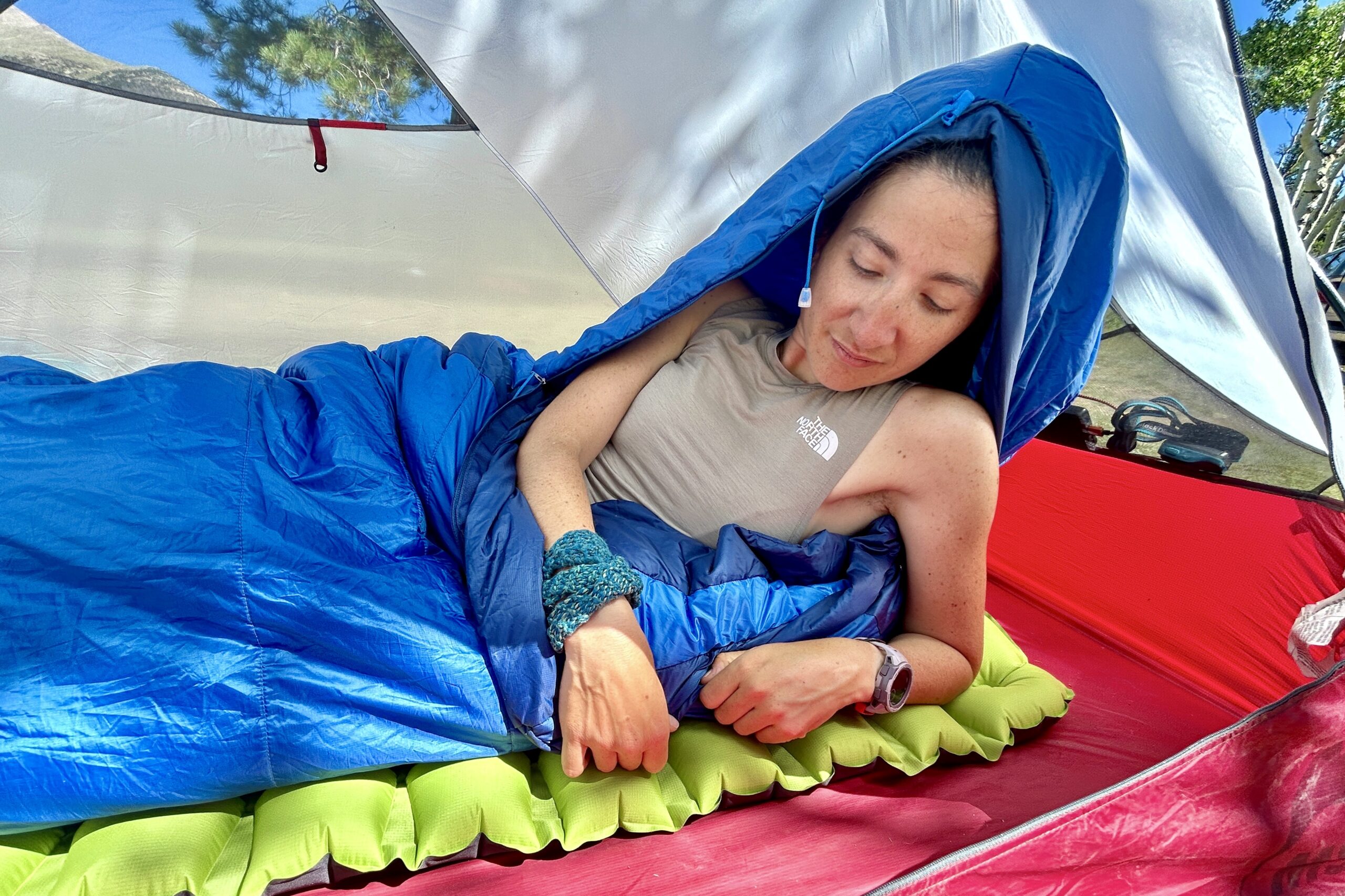
Credit: www.cleverhiker.com
Factors Affecting Sleeping Bag Weight
Choosing the right sleeping bag weight is important for backpacking. The weight affects how easy it is to carry your gear. Several factors influence the sleeping bag’s weight.
Understanding these factors helps you find a balance between comfort and packability. Here are the main things to consider.
Insulation Types
Sleeping bags use different insulation materials. These affect the weight and warmth of the bag. Common types include down and synthetic fills.
- Down insulationis light and compressible. It offers good warmth for its weight but can be expensive.
- Synthetic insulationis heavier but dries faster. It works better in wet conditions.
Temperature Ratings
Sleeping bags have temperature ratings to show their warmth level. Lower temperature ratings usually mean heavier bags.
| Temperature Rating | Weight Impact |
| Above 40°F (Warm) | Lightweight |
| 20°F to 40°F (Three-Season) | Moderate weight |
| Below 20°F (Cold) | Heavier and bulkier |
Bag Shape And Size
The shape and size of a sleeping bag change its weight. Tighter fits use less insulation and weigh less.
- Mummy bagsare narrow and light.
- Rectangular bagsoffer more room but weigh more.
- Longer or wider bagsadd weight due to extra material.
Additional Features
Extra features add weight but improve comfort or convenience. These include hoods, pockets, and water-resistant shells.
| Feature | Effect on Weight |
|---|---|
| Hood | Increases weight slightly |
| Internal pockets | Add a small amount of weight |
| Water-resistant shell | Can add moderate weight |
| Draft collars and tubes | Increase warmth without much extra weight |
Choosing Weight Based On Trip Duration
Picking the right sleeping bag weight is important for your backpacking trip. The trip length helps decide how heavy your bag should be.
Short trips need lighter bags for easy carrying. Longer trips may need heavier bags for comfort and warmth.
Day Trips And Weekend Hikes
For day trips or weekend hikes, you want a sleeping bag that is light and easy to carry. These trips usually last one or two nights.
Choose a sleeping bag that weighs between 1 to 2 pounds. It should be warm enough but not bulky.
- Weight: 1 to 2 pounds
- Easy to pack and carry
- Warm enough for mild nights
Extended Backpacking Adventures
Long trips need a more durable and warmer sleeping bag. You may face colder nights and changing weather.
Sleeping bags for these trips usually weigh between 2 to 4 pounds. You want comfort and warmth for many nights outdoors.
- Weight: 2 to 4 pounds
- Extra warmth for cold nights
- Durable materials for long use
Ultralight Backpacking
Ultralight backpacking focuses on carrying the least weight possible. Every ounce saved helps you hike farther.
Ultralight sleeping bags weigh less than 1.5 pounds. They use special materials to keep weight low but still provide warmth.
- Weight: under 1.5 pounds
- Uses lightweight, high-tech fabrics
- Ideal for fast, long-distance hikes
Balancing Weight And Warmth
Choosing a sleeping bag for backpacking means finding the right balance between weight and warmth. Carrying a heavy bag can slow you down. A light bag might not keep you warm enough.
Your choice depends on the weather and how cold it will get at night. You want a bag that is warm but not too heavy to carry all day.
Seasonal Considerations
Different seasons need different sleeping bags. Summer bags are usually lighter and less insulated. Winter bags are heavier and warmer.
Spring and fall can be tricky. Nights may be cold or mild. Choose a bag that works well for the average temperature.
- Summer: Lightweight, low insulation
- Spring/Fall: Medium weight, moderate insulation
- Winter: Heavyweight, high insulation
Layering Strategies
Layering helps you adjust warmth without carrying a heavy bag. Use a lighter sleeping bag and add layers inside. This can include a sleeping bag liner or warm clothes.
Layering keeps you flexible. You can add or remove layers based on the temperature during the night.
- Use a sleeping bag liner for extra warmth
- Wear thermal clothes inside your bag
- Choose a bag with room for layers
Cold Weather Options
Cold weather sleeping bags are heavier but designed to keep you safe from freezing temperatures. Look for bags with down or synthetic insulation rated for low temperatures.
Features like draft collars and insulated hoods add warmth without much extra weight. These details help keep heat inside your sleeping bag.
- Down insulation for high warmth-to-weight ratio
- Synthetic insulation stays warm when wet
- Draft collars prevent heat loss
- Insulated hoods keep your head warm
Material Impact On Sleeping Bag Weight
Choosing the right sleeping bag weight is key for backpacking comfort. The materials inside and outside the bag change how heavy it feels.
Different fabrics and fills affect the total weight and warmth of your sleeping bag. Knowing these can help you pack smart.
Down Vs Synthetic Fill
Down fill is made from bird feathers. It is very light and packs small. Down keeps you warm even in cold weather.
Synthetic fill is made from man-made fibers. It weighs more and takes more space. Synthetic works better if it gets wet.
- Down is lighter and compresses smaller
- Synthetic is heavier but dries faster
- Down lasts longer with proper care
- Synthetic keeps warmth when wet
Shell Fabric Choices
Shell fabric covers the sleeping bag. It protects the fill from moisture and damage. Lightweight shells reduce overall weight.
Nylon and polyester are common shell fabrics. Ripstop nylon is strong but light. Polyester can resist water well but may weigh more.
- Nylon is light and durable
- Ripstop nylon prevents tears
- Polyester resists water and dirt
- Waterproof coatings add weight
Packing And Carrying Tips
Choosing the right weight sleeping bag is important for backpacking. Packing and carrying it well helps save space and energy.
Good packing makes your backpack lighter and more balanced. This guide shares tips to pack your sleeping bag properly.
Compression Techniques
Compress your sleeping bag to reduce its size. Use a compression sack to squeeze out air and make it compact.
Roll the sleeping bag tightly before putting it in the sack. Tight packing saves space in your backpack.
- Use a compression sack with straps
- Roll from the bottom to push air out
- Do not over-compress to protect insulation
Weight Distribution
Place your sleeping bag near your back inside the backpack. This helps balance your load and keeps you stable.
Keep heavy items close to your spine. Lighter gear goes at the top or outside pockets for easy access.
- Pack the sleeping bag at the bottom or back
- Keep heavier gear centered and close to your back
- Use side pockets for lighter items
Popular Lightweight Sleeping Bags
Backpacking requires a sleeping bag that is light and easy to carry. Lightweight sleeping bags are ideal for long hikes.
They provide comfort without adding extra weight to your backpack. Here are some popular options for backpackers.
Top Picks For Backpackers
The best sleeping bags are light yet warm. They fit easily into your backpack and are made of durable materials.
- Nemo Disco 15: Known for its comfort and packability.
- Therm-a-Rest Hyperion 20: Offers warmth in a compact size.
- Sea to Summit Spark SP I: Extremely lightweight and ideal for warmer climates.
Budget-friendly Options
If you are on a budget, there are still great options. These sleeping bags are affordable but still perform well.
- Kelty Cosmic 20: Provides good warmth at an affordable price.
- Teton Sports Tracker: Known for its durability and low cost.
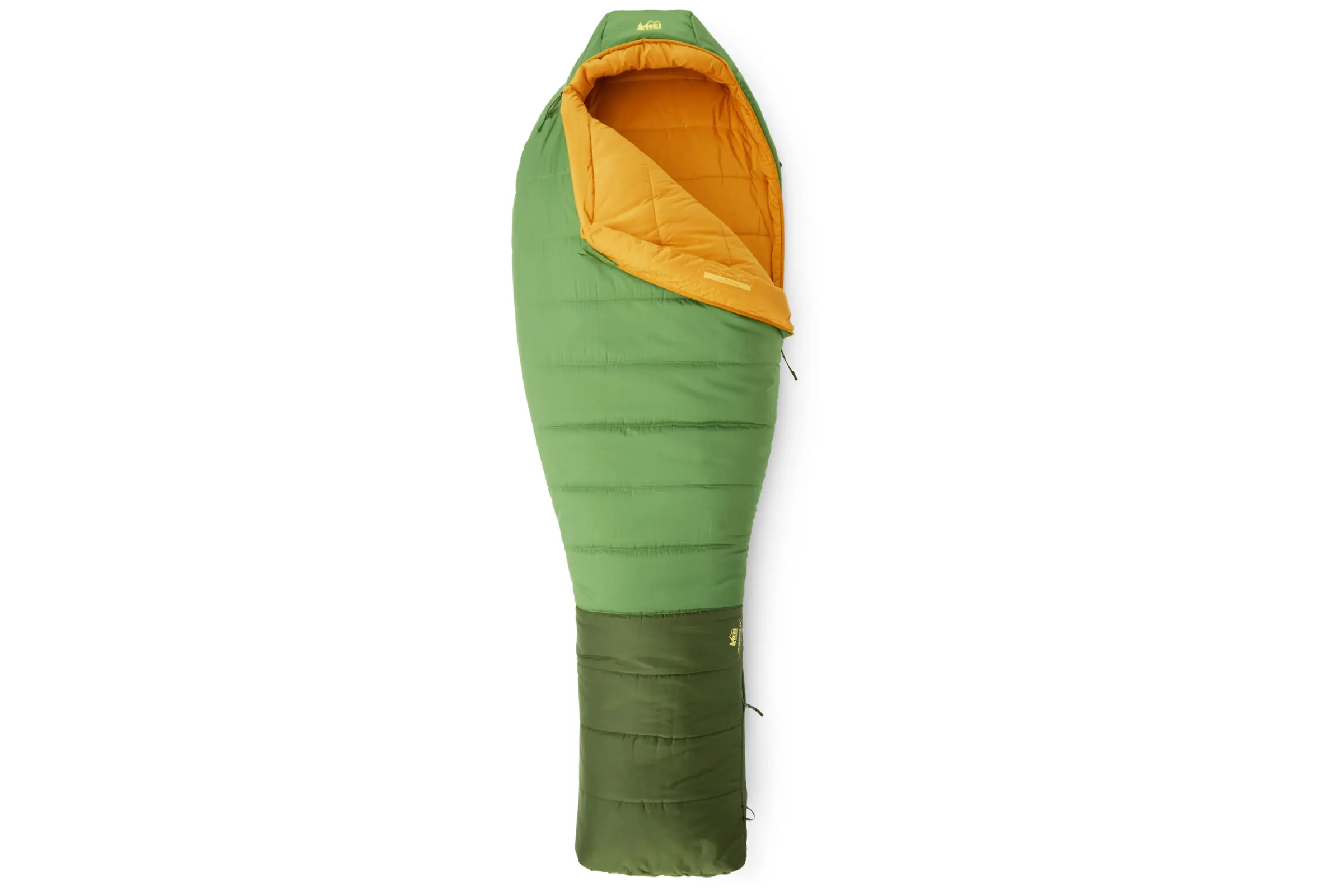
- REI Co-op Trailbreak 30: A budget-friendly choice with decent insulation.
Maintenance And Longevity
Proper care of your sleeping bag ensures it lasts longer. It stays effective in keeping you warm during backpacking trips.
Learn how to clean and store your sleeping bag to maintain its quality. This guide will help you keep it in top shape for many adventures.
Cleaning Tips
Cleaning your sleeping bag is important for hygiene and durability. Follow these tips to clean it without damage.
- Use a gentle detergent designed for outdoor gear.
- Wash in a front-loading machine or by hand.
- Avoid fabric softeners as they can harm materials.
- Dry it on a low heat setting or air dry completely.
Storage Best Practices
How you store your sleeping bag affects its lifespan. Proper storage keeps it fluffy and ready for use.
| Storage Method | Benefit |
| Hang in a closet | Maintains loft and shape |
| Use a large mesh sack | Allows air circulation |
| Avoid compression sacks | Prevents material damage |
Keep your sleeping bag away from direct sunlight. Sunlight can degrade the materials over time.
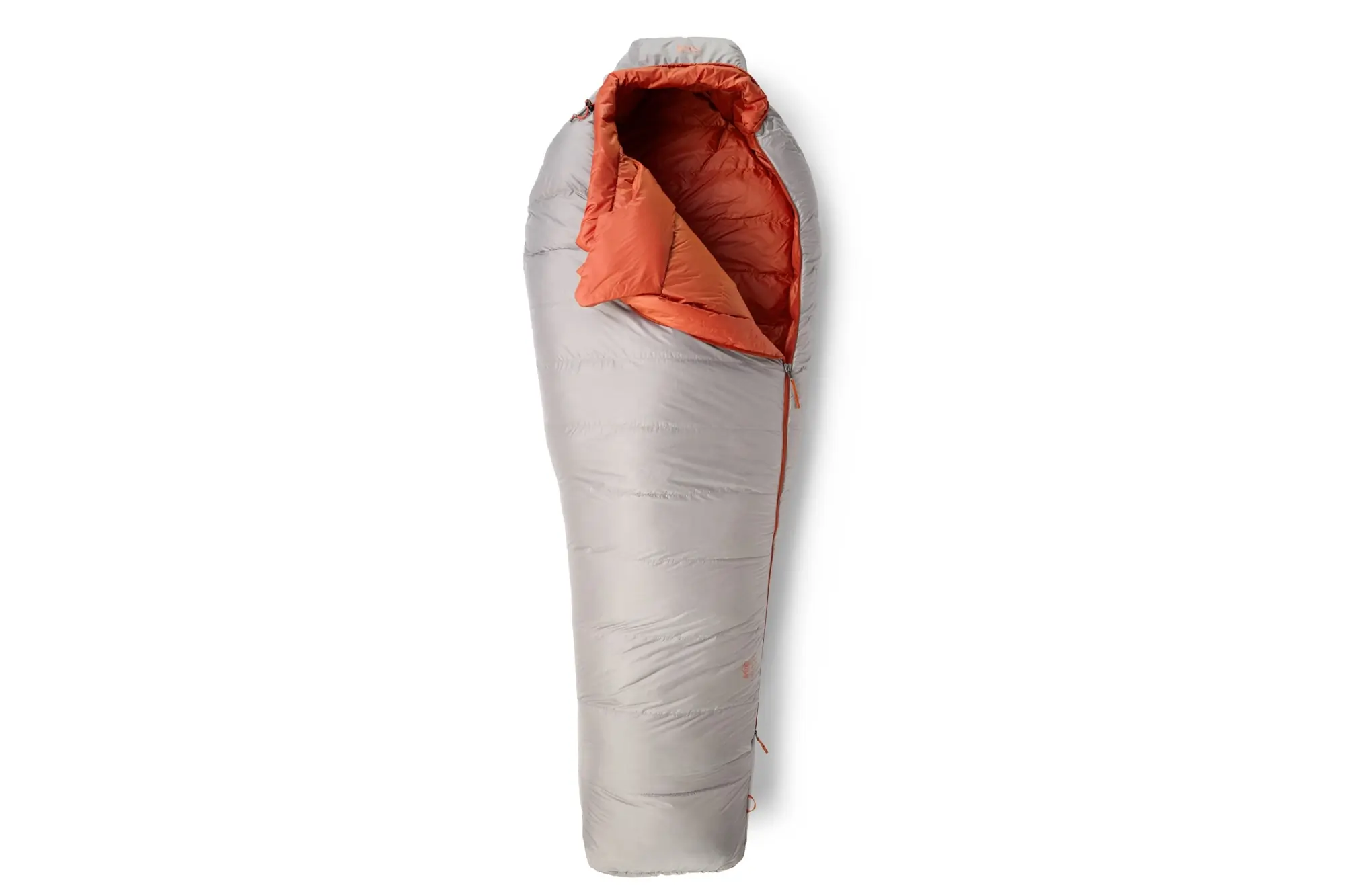
Credit: gearjunkie.com
Credit: gearjunkie.com
Frequently Asked Questions
What Is The Ideal Sleeping Bag Weight For Backpacking?
An ideal backpacking sleeping bag weighs between 2 to 4 pounds. This weight balances warmth and portability, making it easy to carry on long hikes. Lighter bags suit summer trips, while heavier ones provide extra warmth for colder conditions.
How Does Sleeping Bag Weight Affect Backpacking Comfort?
Lighter sleeping bags reduce pack weight and increase mobility. However, very light bags may compromise warmth and durability. Choosing the right weight ensures you stay comfortable without carrying unnecessary bulk during your backpacking adventure.
Should I Choose A Down Or Synthetic Sleeping Bag For Weight?
Down sleeping bags are lighter and compress smaller than synthetic ones. They offer excellent warmth-to-weight ratio but cost more. Synthetic bags are heavier but perform better in wet conditions. Your choice depends on budget, weather, and weight priorities.
Can Ultralight Sleeping Bags Be Warm Enough For Backpacking?
Yes, ultralight sleeping bags can be warm if rated properly. Look for bags with temperature ratings matching your trip’s conditions. Ultralight bags use advanced insulation materials to keep you warm without extra weight.
Conclusion
Choosing the right weight sleeping bag matters for your backpacking trip. A lighter bag makes hiking easier and saves energy. A warmer, heavier bag keeps you comfortable in cold weather. Think about the season, temperature, and your comfort needs. Don’t carry extra weight you don’t need.
Balance warmth and weight for the best experience. Pack smart and enjoy your outdoor adventure fully rested. Your sleep gear can make or break your trip. Choose wisely and stay cozy under the stars.