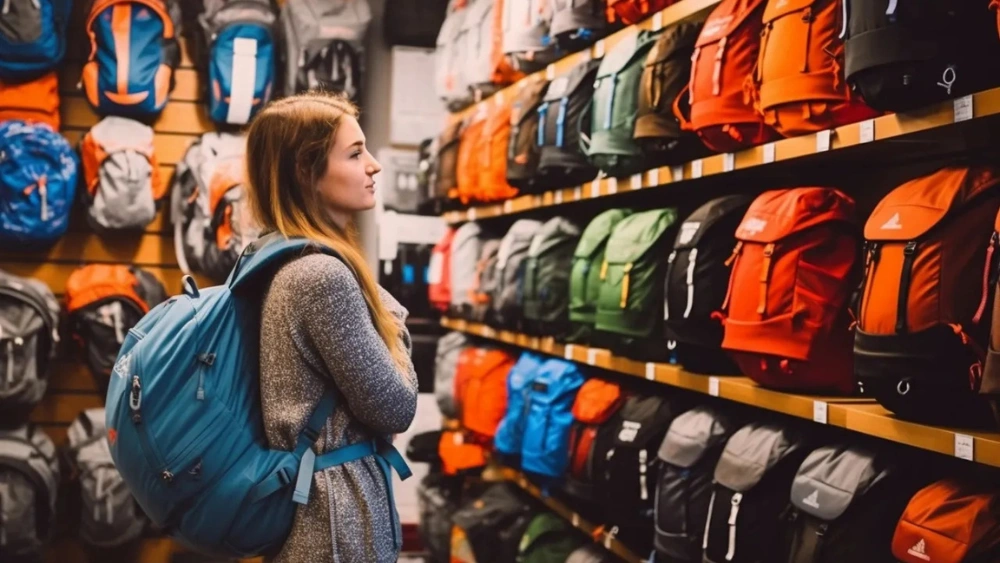
Choosing the right backpack might seem simple, but it can make a huge difference in your daily comfort and convenience. Imagine carrying your essentials without feeling weighed down or struggling to find what you need.
You want a backpack that fits your lifestyle perfectly—whether it’s for work, school, travel, or outdoor adventures. You’ll discover exactly what to look for so you never have to settle for less. Keep reading, and you’ll learn how to pick a backpack that feels like it was made just for you.
Types Of Backpacks
Backpacks come in many shapes and sizes. Choosing the right one helps you carry your items comfortably.
Different backpacks fit different activities. Knowing the types helps you pick the best one.
Daypacks
Daypacks are small backpacks for daily use. They usually hold 10 to 30 liters of items.
They are great for school, work, or short trips. Daypacks are light and easy to carry.
- Hold essentials like water, snacks, and books
- Simple design with one or two compartments
- Often have padded straps for comfort
Travel Backpacks
Travel backpacks are bigger and made for long trips. They hold clothes, gadgets, and travel gear.
These backpacks have many pockets and compartments. They often include locks and straps for security.
- Capacity ranges from 40 to 70 liters
- Designed to fit airline carry-on rules
- Comfortable with padded back and hip belts
Hiking Backpacks
Hiking backpacks are made for outdoor activities. They hold gear like water, food, and tools.
They have features to support long walks. Look for durability and good support when hiking.
- Usually 20 to 50 liters in size
- Include padded shoulder straps and waist belts
- Have compartments for hydration systems
Laptop Backpacks
Laptop backpacks protect your computer and accessories. They have padded laptop sleeves inside.
These backpacks also have space for chargers, documents, and small items. They suit work or school.
- Usually medium size, 20 to 35 liters
- Multiple compartments for organization
- Comfortable straps for daily use
Specialty Backpacks
Specialty backpacks serve specific needs like camera gear or sports equipment. They have unique features.
Examples include camera bags, bike backpacks, and hydration packs. Choose based on your activity.
- Camera backpacks have padded compartments
- Bike backpacks are slim and aerodynamic
- Hydration packs include water reservoirs
Credit: pruntychiros.com
Key Features To Consider
Choosing the right backpack is important for comfort and usefulness. Look at some key features before buying.
These features help you pick a backpack that fits your needs and lasts long.
Size And Capacity
Think about what you will carry every day. A small backpack is good for light loads.
Larger backpacks work well if you carry books, laptops, or clothes. Check the volume in liters to compare sizes.
- Small: 10-20 liters, for light use
- Medium: 20-35 liters, for daily carry
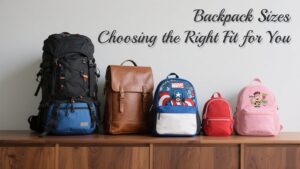
- Large: 35+ liters, for travel or heavy loads
Material And Durability
Choose a backpack made from strong materials like nylon or polyester. These last longer and resist tears.
Look for reinforced stitching and sturdy zippers. These parts can break if they are weak.
- Nylon: strong and lightweight
- Polyester: water-resistant and durable
- Leather: stylish but heavier
- Check for double stitching and strong zippers
Comfort And Support
Look for padded shoulder straps to reduce pressure on your shoulders. A padded back helps too.
Some backpacks have chest or waist straps. These help spread weight evenly and keep the bag stable.
- Padded shoulder straps for comfort
- Breathable back panel to reduce sweat
- Chest and waist straps for better support
Weight Of The Backpack
A light backpack is easier to carry, especially if you walk a lot. Heavy backpacks add to your load.
Check the empty weight before buying. Thin materials reduce weight but may lower durability.
- Lightweight backpacks ease movement
- Heavy backpacks can cause fatigue
- Balance weight with durability needs
Water Resistance
Water-resistant backpacks protect your belongings from rain. Look for coated fabrics or rain covers.
Some backpacks have sealed zippers that keep water out. This is useful if you carry electronics.
- Coated fabric helps repel water
- Rain covers offer extra protection
- Sealed zippers prevent water leaks
Fit And Sizing Tips
Choosing the right backpack fit is key for comfort and support. Ill-fitting backpacks can cause pain and fatigue during use.
Learning to measure and adjust your backpack will help you carry weight safely. This guide covers essential tips for fit and sizing.
Measuring Your Torso Length
Your torso length helps select a backpack that matches your body shape. Measure from the base of your neck to the top of your hips.
- Find the bony ridge at the base of your neck (C7 vertebra).
- Locate the top of your hip bones on your back.
- Use a soft tape measure to find the distance between these points.
- Choose a backpack size that fits your torso length for proper support.
Adjusting Shoulder Straps
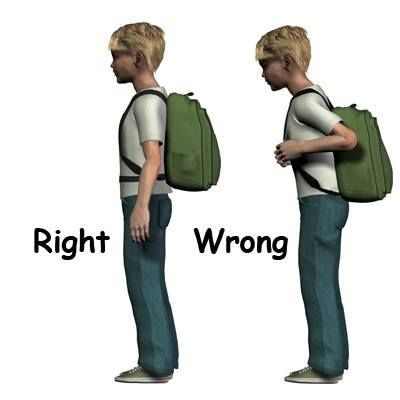
Shoulder straps keep the backpack close to your body. Adjust them to balance the load evenly on your shoulders.
- Tighten the straps so the pack rests high on your back.
- Ensure straps are snug but not too tight to avoid discomfort.
- Check that your shoulders feel relaxed, not strained.
Using Hip Belts Correctly
Hip belts transfer weight from your shoulders to your hips. Proper use reduces strain and improves stability.
| Tip | Description |
|---|---|
| Position | Place the hip belt over your hip bones, not your waist. |
| Tighten | Fasten the belt snugly to support most of the pack’s weight. |
| Adjust | Loosen or tighten as needed for comfort and balance. |
Backpack Suspension Systems
Suspension systems affect how the backpack fits and carries weight. They include frames, padding, and adjustment options.
Key suspension types:
- Internal frame:Built inside the pack for stability.
- External frame:Outside frame for heavy loads.
- Frameless:Lightweight but less support.
Look for adjustable padding and straps to improve comfort.

Credit: x.com
Purpose-based Selection
Choosing the right backpack depends on what you plan to use it for. Different activities need different features and sizes.
Think about your daily routine and the type of items you carry. This helps you pick a backpack that fits your lifestyle.
Choosing For Daily Use
Daily use backpacks are best when they are lightweight and simple. Look for enough space for your essentials like books, lunch, and a water bottle.
- Medium size for easy carrying
- Comfortable straps for long wear
- Durable fabric for daily wear and tear
- Multiple compartments for better organization
Selecting For Outdoor Activities
Outdoor backpacks need to be tough and roomy. They should hold extra gear and keep you comfortable on trails.
| Feature | Reason |
| Water-resistant material | Protects gear from rain |
| Padded straps | Reduces shoulder strain |
| Large capacity | Holds food, clothes, and tools |
| External loops | Attach hiking poles or sleeping bags |
Backpacks For Commuting
Commuting backpacks should be sleek and organized. They often need space for laptops and documents.
- Slim design to fit in tight spaces
- Separate padded laptop compartment
- Easy-access pockets for keys and phones
- Water-resistant to protect electronics
Travel-specific Needs
Travel backpacks must be secure and spacious. They should help you organize clothes and travel documents well.
| Feature | Benefit |
| Lockable zippers | Keep belongings safe |
| Expandable compartments | Extra packing space |
| Lightweight frame | Easy to carry long distances |
| Compression straps | Reduce bulk and secure contents |
Budget And Brand Considerations
Choosing the right backpack involves thinking about your budget and the brand you trust. These factors help you get a bag that lasts and fits your needs.
Spending wisely and picking a good brand ensures your backpack offers good value and support for your activities.
Balancing Price And Quality
Look for backpacks that match your budget but do not sacrifice quality. A cheap backpack might wear out quickly. A very expensive one may have features you do not need.
- Set a clear budget before shopping
- Compare materials and stitching quality
- Check if the backpack fits your needs
- Read reviews to see if it lasts
- Avoid very cheap brands with poor feedback
Trusted Backpack Brands
Some brands have a good reputation for making durable backpacks. Choosing these brands can give you peace of mind about your purchase.
| Brand | Known For | Price Range |
| North Face | Durability and comfort | Medium to High |
| Osprey | Good support and design | Medium to High |
| JanSport | Everyday use and affordability | Low to Medium |
| Deuter | Hiking and outdoor backpacks | Medium to High |
| Herschel | Stylish and casual backpacks | Low to Medium |
Warranty And Customer Support
A good warranty can save you money if the backpack breaks. Check if the brand offers easy repairs or replacements.
- Length of warranty period
- Coverage details (zippers, straps, fabric)
- How to contact customer service
- Availability of repair centers
- Customer reviews about support quality
Additional Features And Accessories
Choosing the right backpack involves more than just size and color. Additional features can greatly enhance your experience. Here, we explore essential accessories to consider.
These features can offer convenience, security, and compatibility with different activities.
Pockets And Compartments
Pockets and compartments help organize your items. They make it easy to find what you need quickly.
- Multiple compartments for different items
- Mesh pockets for water bottles
- Hidden pockets for valuables
Hydration Compatibility
If you enjoy hiking or long trips, hydration compatibility is key. It allows you to carry water easily.
| Feature | Benefit |
| Hydration Sleeve | Keeps water bladder secure |
| Tube Port | Easy access to water |
| Insulated Bladder | Keeps water cool |
Security Features
Security features protect your belongings. They give peace of mind when traveling.
Look for backpacks with lockable zippers. RFID-blocking pockets are also useful to prevent data theft.
Attachment Points
Attachment points allow you to secure extra gear. This is ideal for outdoor adventures.
- Daisy chains for carabiners
- Loops for trekking poles
- Straps for sleeping bags
Credit: honeyoungbag.com
Frequently Asked Questions
What Size Backpack Should I Choose For Daily Use?
Choose a backpack size based on your daily needs. For everyday use, 15 to 25 liters is ideal. It fits essentials like a laptop, books, and small items comfortably without being bulky.
How Important Is Backpack Material For Durability?
Material affects durability and weather resistance. Look for nylon or polyester backpacks for strength and water resistance. These materials ensure your backpack lasts longer and protects your belongings.
Should I Prioritize Comfort Or Style When Choosing A Backpack?
Comfort should always come first to avoid strain. Look for padded straps and back support. Style is important but secondary to long-term comfort and functionality.
How Do I Choose A Backpack For Hiking Or Travel?
Select backpacks with 40+ liters capacity for hiking or travel. Features like multiple compartments and hydration compatibility enhance convenience and organization on long trips.
Conclusion
Choosing the right backpack makes your trips easier and more fun. Think about what you carry and how often you travel. Comfort and size matter a lot. Don’t forget to check the pockets and straps. A good backpack fits your style and needs.
Take time to compare options before buying. A smart choice saves money and stress. Enjoy your adventures with the perfect backpack by your side. Simple steps lead to great results. Ready to find your ideal pack?